
Author: Cora Nitert-Brown
-

Making Halloween Fun and Comfortable for Every Child
Halloween can be a challenging yet magical time for children, especially with sensory sensitivities and social uncertainties. Families can enhance the experience with thoughtful planning, such as choosing sensory-friendly costumes, preparing for trick-or-treating, and exploring inclusive alternatives like crafts and games, ensuring fun and comfort for all.
-
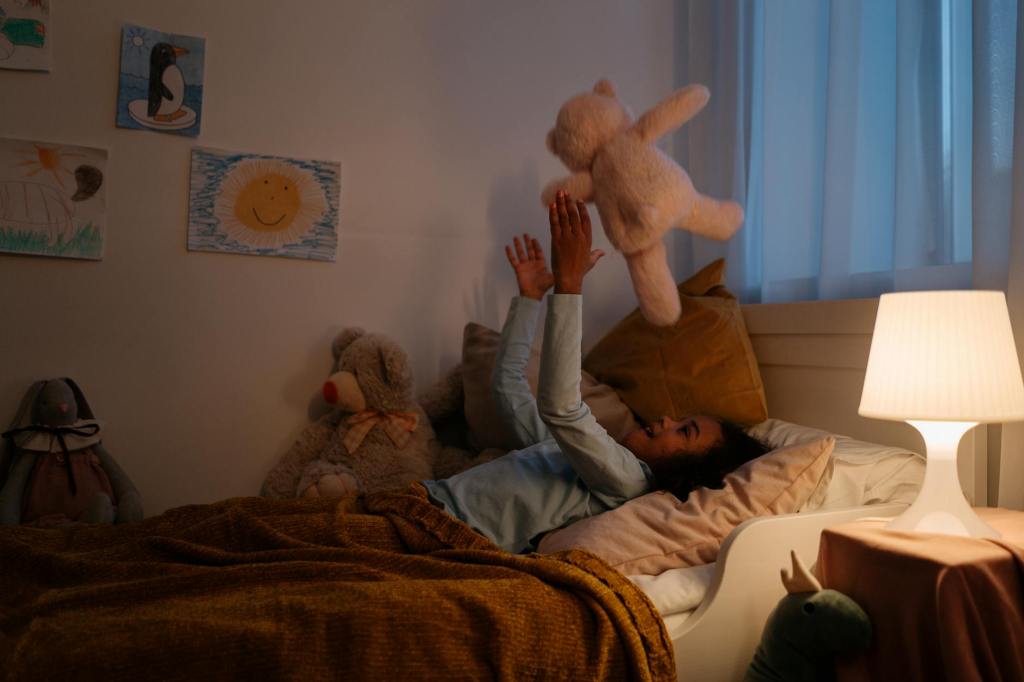
Helping Kids Sleep Better: An OT’s Perspective
Sleep is vital for child development but often poses challenges for families. Occupational therapy (OT) addresses these by considering routines, sensory needs, and environments. Solutions include establishing calming bedtime routines and adapting sensory elements in the sleep space. Consistent small changes can help children and families achieve better rest.
-

Smoother Mornings for Kids: Why Routines Matter
Mornings can be tough… for kids and parents. Some children wake up full of energy and bouncing off the walls. Others may struggle to get out of bed and feel like they’re moving through molasses. Many kids find transitions difficult, especially when shifting from cozy home time to the demands of school. Add in things…
-
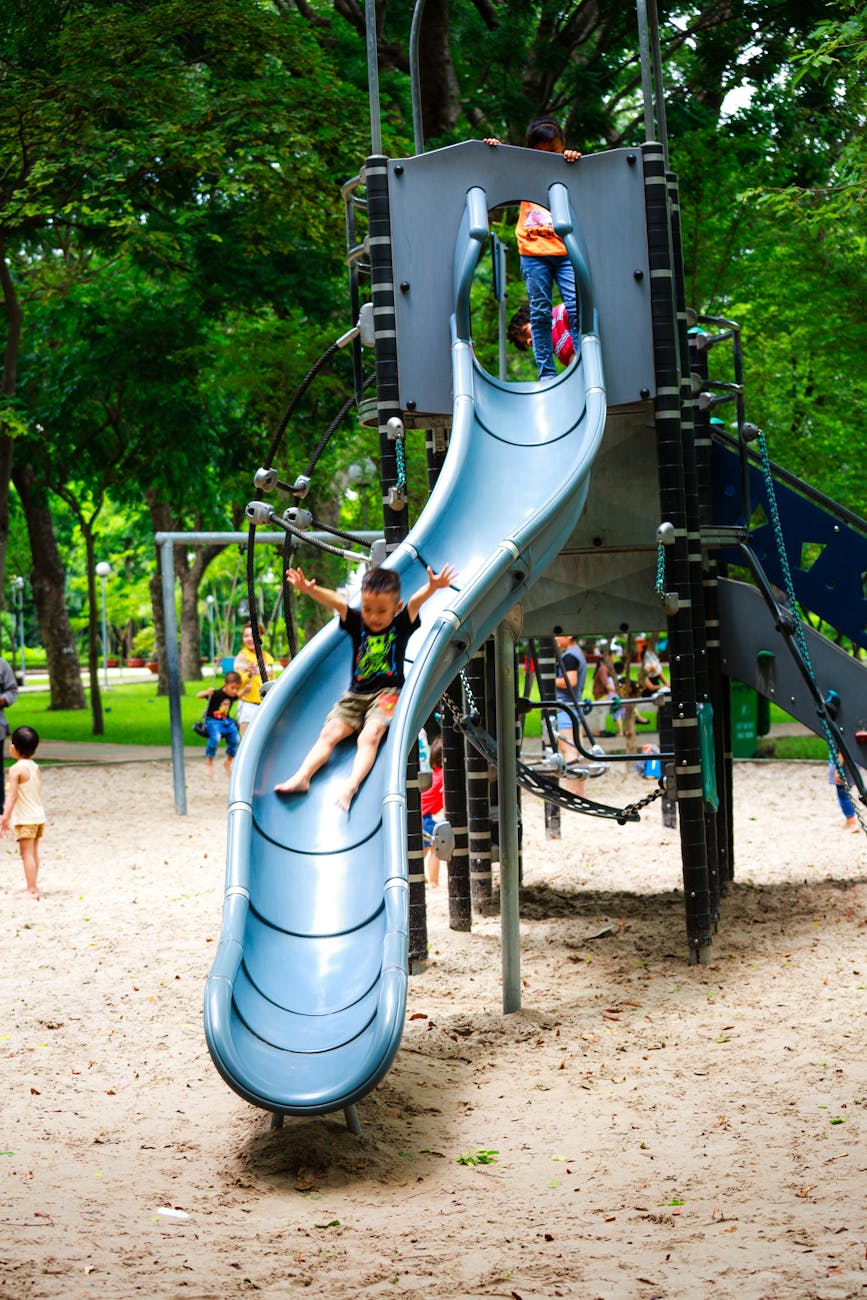
After-School Reset: Why Kids Need It & How Sensory Activities Can Help
After a demanding school day, children often experience emotional and physical overload, leading to meltdowns or hyperactivity. Simple sensory strategies, such as heavy work, movement, crunchy snacks, and quiet spaces, can help kids reset their nervous systems. Understanding individual needs is key to fostering smoother after-school transitions and calmer evenings.
-

Easing the Transition: Helping Kids Get Ready for Back-to-School
The last couple of weeks of summer often feel like a whirlwind trying to soak up the sunshine while also preparing for the big shift back to school. For many children, that transition can bring excitement, jitters, or even big emotions. The good news is that with a little planning and practice, you can help…
-
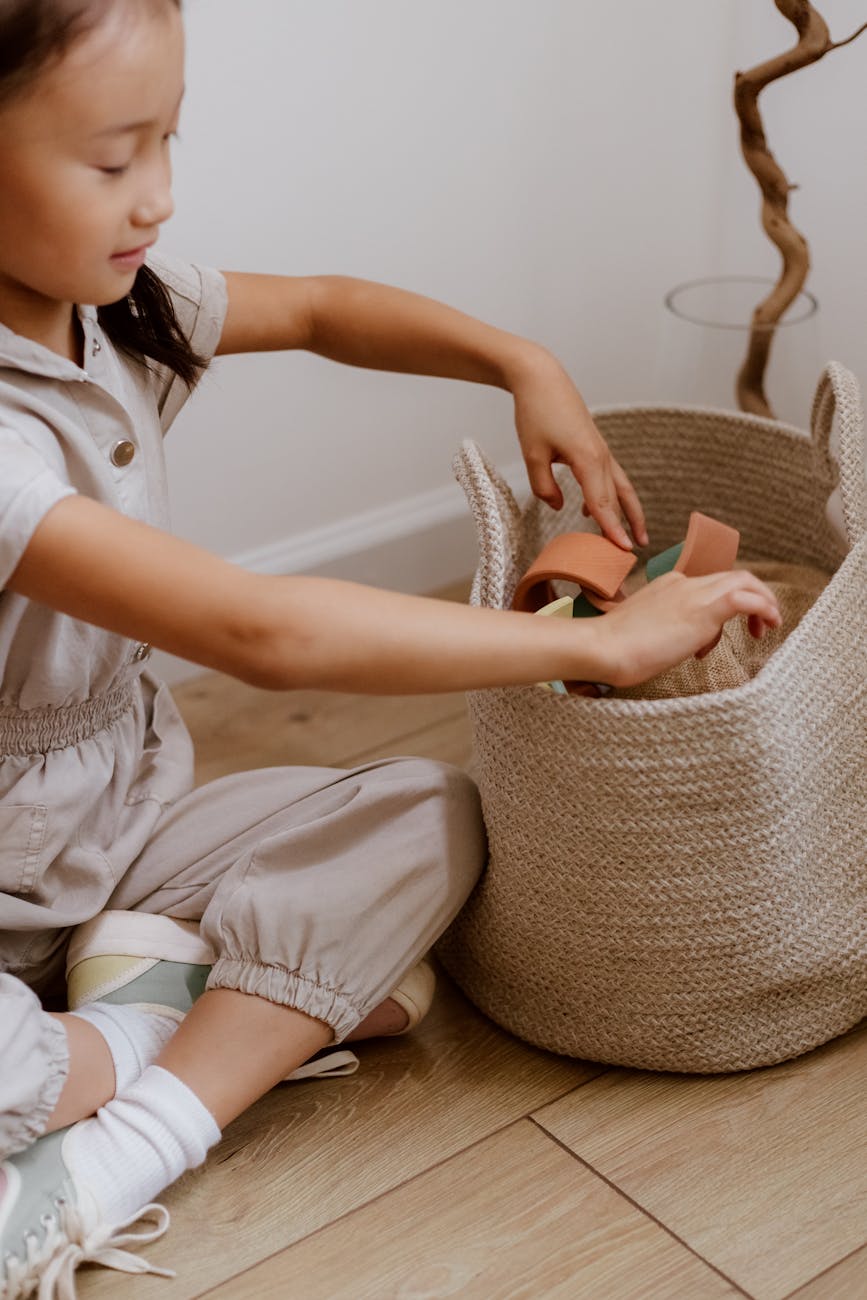
Supporting Transitions: Helping Kids Move Through the Day with Confidence
Transitions are essential yet challenging for children, particularly those who are neurodivergent or struggle with self-regulation. Hand & Heart Kid’s Occupational Therapy provides strategies to make transitions smoother, such as using reminders, visuals, and engagement techniques. By teaching these skills, children can manage life’s changes with greater ease and confidence.
-
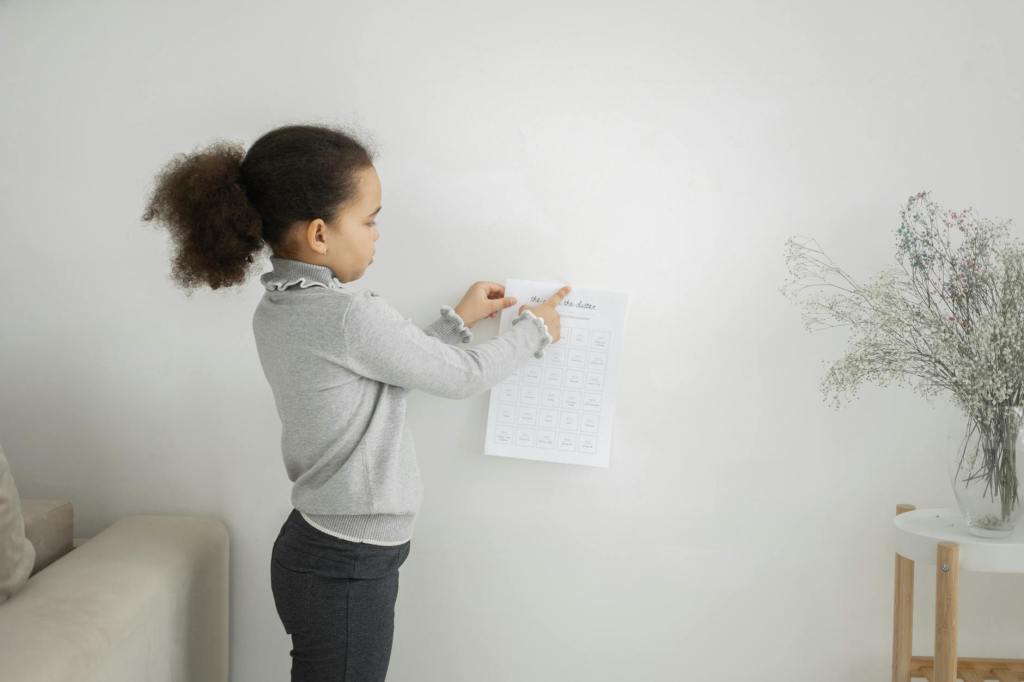
The Role of Routine and Structure in Supporting Self-Regulation
At Hand & Heart Kid’s Occupational Therapy, structure and routine are crucial for children’s self-regulation, offering comfort and predictability. This support helps manage emotions and transitions, especially during unstructured times. Empowering children with responsibilities and choices fosters independence and confidence, leading to better emotional management and overall well-being for each unique family. Services offered in-person…
-

Sensory Strategies for a Successful Camp Experience
Summer camp offers children the chance to explore, gain independence, and make friends, but can be challenging for those with sensory processing differences. With proper planning and sensory-friendly strategies, camp can be enjoyable. Key tips include familiarization, preparing for sensory experiences, using calming items, and advocating for supportive environments during camp.
-

Creating a Sensory-Friendly Home: Simple Modifications That Support Regulation and Participation
As an occupational therapist, I advise that simple changes can enhance a child’s sensory environment at home. Creating cozy spaces, managing noise, offering movement and touch, facilitating choice, and maintaining predictable routines can all support sensory needs. Start with small modifications and gradually build an environment that validates and supports your child’s unique requirements.
-

Sensory Processing 101
This content discusses the unique sensory experiences of children, highlighting how behaviors stem from their sensory systems. It describes the eight senses, focusing on vestibular, proprioception, and interoception. Understanding these senses can help create supportive environments for children, promoting their regulation and development through tailored strategies in daily activities. OT services can support, Hand and…
 Hand and Heart Kid's Occupational Therapy - London