
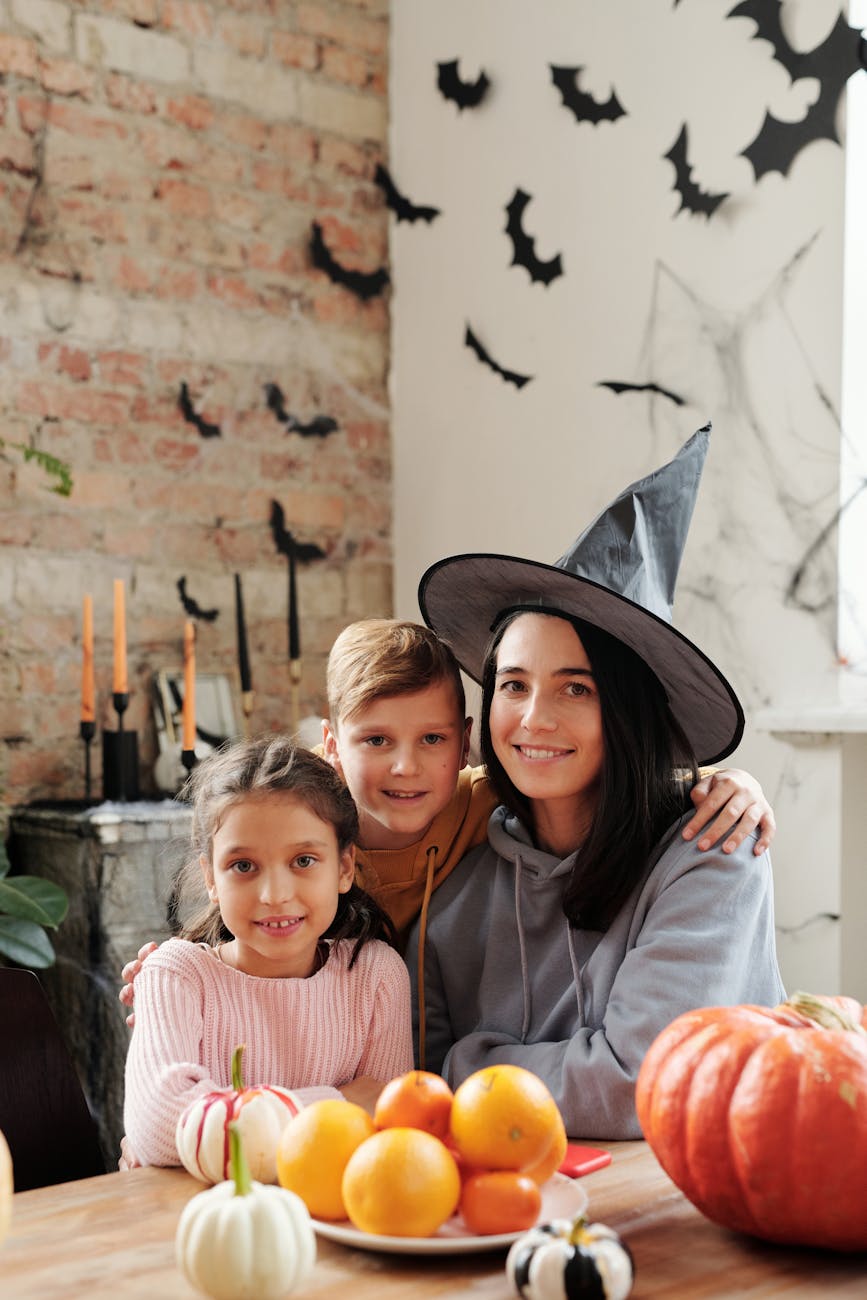
Halloween can be a magical time filled with imagination, costumes, and community fun, while at the same time, for many children, it can also bring sensory challenges, social uncertainties, and changes in routine. With a little planning and creativity, families can make Halloween enjoyable and inclusive.
Here are some occupational therapy–informed strategies to support comfort and participation this Halloween.
1. Sensory-Friendly Costumes
Costumes are often the highlight of Halloween, but they can also bring unexpected discomfort from scratchy fabrics, tight seams, or unfamiliar textures.
Tips for sensory comfort:
- Choose soft, breathable fabrics and remove tags or rough seams.
- Layer a long-sleeved shirt or leggings underneath the costume to reduce irritation from unfamiliar materials.
- Try a “practice run” at home so your child can get used to how the costume feels and moves.
- Consider having a comfier costume option (like Halloween pajamas or a simple shirt) for school or when a full costume feels overwhelming.
- Think about temperature and weather. Pick a warmer costume or one that fits comfortably over or under a coat.
- Consider a simpler costume, with added accessories (ex. costume jewelry, props, glow sticks, etc.) to make a more comfortable costume still feel festive.
These adjustments can make a difference in helping kids feel calm and confident!
2. Preparing for Halloween Night
A bit of preparation can make trick-or-treating smoother and less stressful. For many kids, knowing what to expect supports regulation and confidence.
Try these planning ideas:
- Preview the route on Google Maps, or walk it together during daylight to build familiarity.
- Practice social routines through pretend play (ex. knocking on doors, saying “Trick or treat!” and “Thank you!” can make real interactions feel more predictable.)
- Lower other demands that day to preserve energy and reduce stress.
- Go earlier in the evening when it’s lighter, warmer, and less busy.
- Prepare for the weather with layers, hats, mitts, or sneakers instead of costume shoes.
- Use books or shows about Halloween to help your child understand what’s coming.
With preparation and flexibility, trick-or-treating can be a fun and successful experience!
3. Inclusive Alternatives to Trick-or-Treating
Not every child enjoys traditional trick-or-treating, and that’s completely okay! There are plenty of ways to celebrate that still feel festive and meaningful.
Alternative Halloween ideas:
- Halloween crafts and art projects (pumpkin decorating, mask-making, spooky drawings).
- At-home or backyard games like a scavenger hunt, beanbag “pumpkin toss,” or Halloween-themed obstacle course.
- Baking together! Decorating cookies or cupcakes adds sensory fun and life skill practice.
- Storytime or movie night with favorite Halloween books or films.
- Decorate your home or yard together (lights, window clings, or a “Halloween gratitude jar” to share what you’re thankful for.) Some kids also love helping to hand out candy to other trick or treaters.
These inclusive options create the same sense of excitement and tradition, but with less pressure and more comfort.
Final Thoughts
Halloween doesn’t have to be overwhelming. Whether your family loves trick-or-treating, prefers a cozy night in, or enjoys creative alternatives, the most important part is that your child feels safe, comfortable, and included
 Hand and Heart Kid's Occupational Therapy - London