
The school day takes a lot out of kids. They’re sitting still, listening to directions, managing transitions, tackling schoolwork, and navigating friendships, all while holding in big emotions until the end of the day. It’s no surprise that afternoons can feel bumpy once they get home.
For many children, the after-school hours are a time when their bodies and brains need a chance to reset. This is where simple sensory strategies can make a big difference.
Why the End of the Day Feels Harder
Think about how you feel after a long meeting or a day of back-to-back responsibilities… you’re drained. Kids feel the same way after school. Their nervous systems are working overtime to stay regulated all day. By the time the final bell rings, they may be tired, hungry, overstimulated, or in need of movement they’ve been holding back for hours.
That’s why meltdowns, crankiness, or extra-high energy are so common in the afternoons. It’s not “bad behaviour”, it’s often a sign that their bodies and brains are asking for a reset.
How Sensory Activities Help
Sensory activities give kids the input they need to feel calmer, more organized, and ready to move on with their day. Here’s how different types of input support the body’s sensory systems:
- Movement (Vestibular system): Activities like swinging, jumping, or spinning help the inner ear and balance system reset. This can either wake up a sluggish child or calm a restless one.
- Heavy work (Proprioceptive system): Pushing, pulling, carrying, or climbing gives deep pressure to the muscles and joints. This “grounding” input is often the most regulating for kids, helping them feel centered and calm.
- Crunchy or chewy snacks (Proprioceptive system): Foods like apples, carrots, or pretzels provide strong jaw input, which can be organizing and soothing for the nervous system.
- Quiet space (Auditory & visual systems): A cozy corner, dim lighting, or time away from noise helps reduce overwhelm for kids who are sensitive to sound or visual clutter.
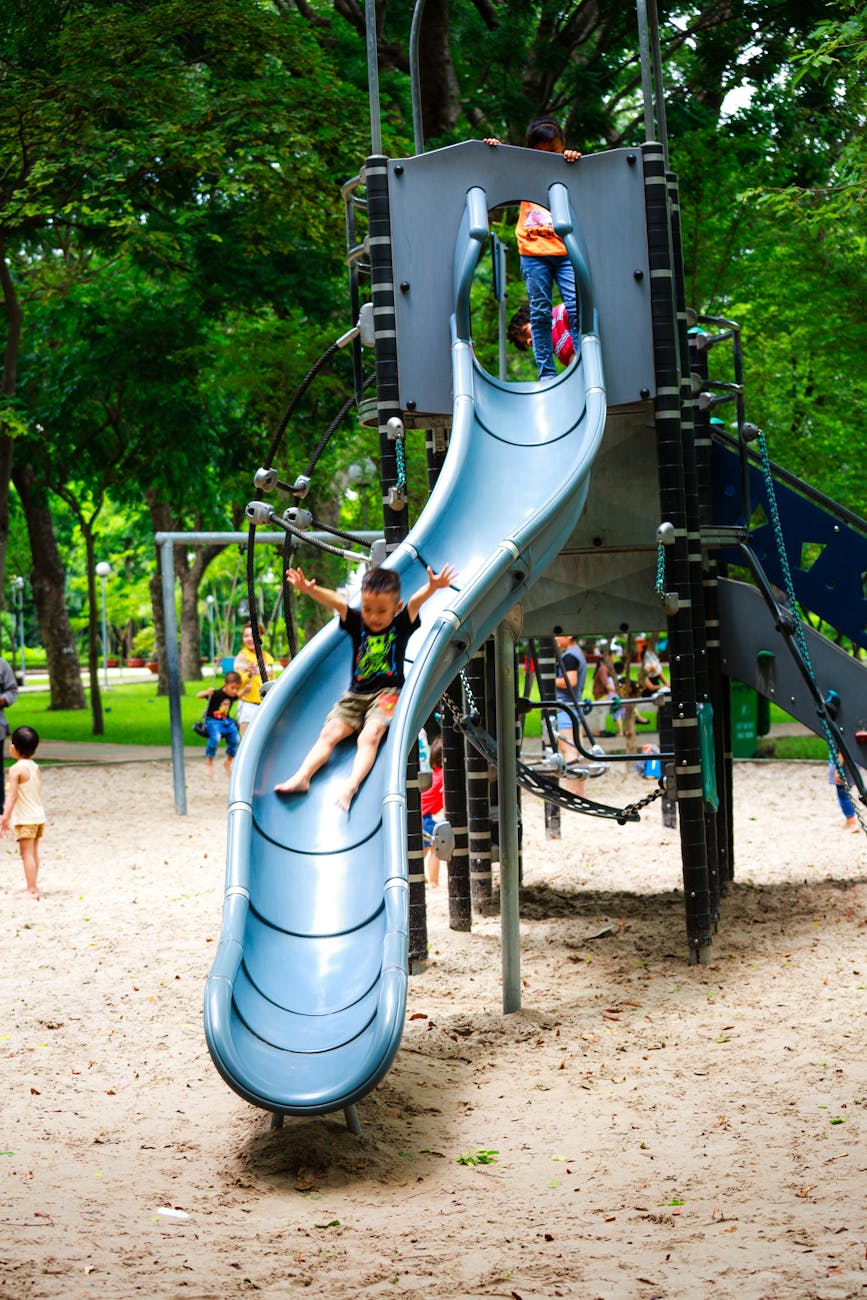
- Playground stop (Combination of systems): Running, climbing, and swinging combine vestibular, proprioceptive, and tactile input, all of which help release energy and prepare the body for a calmer transition home.
Every Child Is Different
The key is noticing what your child responds to. Some kids crave active, “big body” activities after school, while others need quiet and cozy downtime. Neither is right or wrong, it’s about giving their nervous system what it needs to reset.
Quick Guide: Try This If…
- Your child is extra wiggly or “bouncing off the walls” → Try heavy work (carrying groceries, animal walks, climbing at the playground, biking or scootering home, carrying a weighted backpack).
- Your child seems tired, sluggish, or “zoned out” → Try movement (jumping on a trampoline, swinging, bike ride).
- Your child is cranky, tearful, or easily frustrated → Try crunchy/chewy snacks (pretzels, gum, drinking thick liquid out of a straw, fruit strips, etc.) or heavy work for calming input.
- Your child wants to be left alone, covering ears or looking overwhelmed → Try quiet space (dim lighting, soft blanket, quiet activity).
- Your child needs a smooth transition from school to home → Try a playground stop for a burst of play before heading indoors.
By building in these simple sensory strategies, you can help smooth out the after-school transition and set your child (and yourself!) up for a calmer evening.
Want to learn more about each sensory system specifically? Check out our Sensory Processing 101 blog.
If you notice your child consistently struggling after school and want more personalized strategies, reach out to Hand and Heart Kid’s OT. We can help you understand your child’s sensory needs and build a plan that supports calmer, smoother transitions.
 Hand and Heart Kid's Occupational Therapy - London