
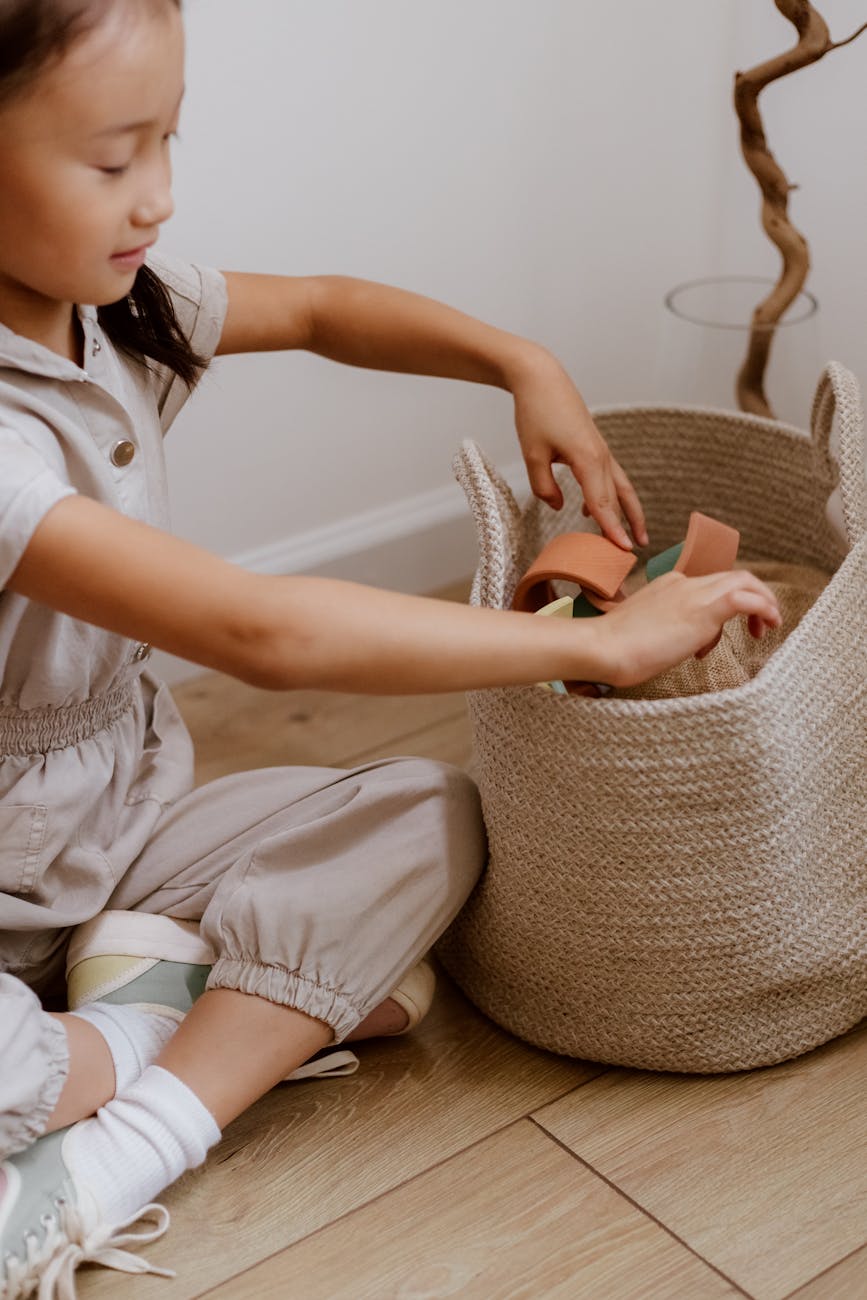
Transitions are a part of everyday life, from the smallest shift between activities to big life changes. For children, especially those who are neurodivergent or have challenges with self-regulation, transitions can be tricky. At Hand & Heart Kid’s Occupational Therapy, we work closely with families to build strategies that help make transitions smoother, less stressful, and more predictable.
What Are Transitions?
Transitions refer to the process of moving from one activity, environment, or routine to another. They can be:
- Small, daily transitions (getting out the door in the morning, switching from play to clean-up, turning off a tablet)
- Bigger, life transitions (starting a new school, moving homes, adjusting to a new caregiver or routine)
For children, especially those who crave structure or who have sensory sensitivities or anxiety, transitions can feel overwhelming. Shifting gears mentally, emotionally, or physically, can take more effort than we realize.
Why Predictable Transitions Matter
When transitions are predictable and consistent, they help a child feel secure. Knowing what’s coming next allows their brain and body to prepare. This reduces stress, supports regulation, and builds trust in their environment.
Even if the day doesn’t always go perfectly to plan (and it won’t!), having a rhythm and familiar tools for transitions can help children cope more effectively.
Strategies to Support Transitions
Here are some practical ways to help make transitions smoother:
⏱ Use Transition Reminders
Giving your child a heads-up before a change can make a big difference. Try:
- Setting a timer or visual countdown
- Use music (“When this song is done, it’s time to tidy up”)
- Singing a transition song (e.g., “Clean up, clean up…”)
- Saying: “5 more minutes of play, then it’s time for lunch.”
🖼 Add Visuals
Visual supports can be powerful for helping kids understand what’s next. Try:
- First/Then boards
- Daily visual schedules
- Picture cues for routines (bedtime steps, getting ready for school, etc.)
📦 Try a “Not Done Yet” Box
Sometimes transitions are hard because a child isn’t finished with what they’re doing. A “Not Done Yet” box lets them save a toy or activity for later. This helps reduce frustration while still moving on when needed.
🧸 Use a Transition Object
A transition object is a familiar item (like a small toy or comfort item) that can go with the child as they move between activities or places. It acts as a bridge and can be especially helpful in busy or unfamiliar environments.
🎶 Keep the Brain Engaged
During physical transitions (like walking to the car, waiting in line, or heading into a new environment), it helps to keep the child engaged. You might:
- Sing a song
- Play I Spy, Follow the Leader, or Simon Says
- Offer a fidget toy
- Ask the child to be your “helper” (carry something, open the door, etc.)
🗺 Visit or Explore Ahead of Time
For larger transitions, like going to a new school, summer camp, or dentist’s office, try:
- Visiting in person ahead of time
- Looking at pictures on the website or Google Maps
- Reading a social story about what to expect
Even a quick preview helps build familiarity and reduce anxiety.
💛 Meet Them Where They’re At
Every day is different. If your child is tired, overstimulated, sick, or just coming off a busy day at school or camp, transitions might be extra hard. On those days, slow things down. Offer more support, reassurance, and flexibility.
🎈 Offer Choice and Accommodations
Whenever possible, offer your child a choice within the transition. For example:
- “Do you want to tidy up the blocks or the cars first?”
- “Would you like to walk to the car or skip to the car?”
Offering choice helps kids feel empowered and more in control.
Transitions Are a Skill, and Skills Can Be Taught
Supporting transitions isn’t about avoiding challenges, it’s about teaching kids the skills, strategies, and confidence to move through life’s changes with more ease.
At Hand & Heart Kid’s Occupational Therapy, we work with families across London, Ontario and virtually across Ontario to build routines and tools that support self-regulation, transitions, and independence one step at a time.
If you’re looking for personalized strategies that fit your child’s unique needs, we’d love to help!
Related Post:
The Role of Routine & Structure in Supporting Self-Regulation
 Hand and Heart Kid's Occupational Therapy - London