
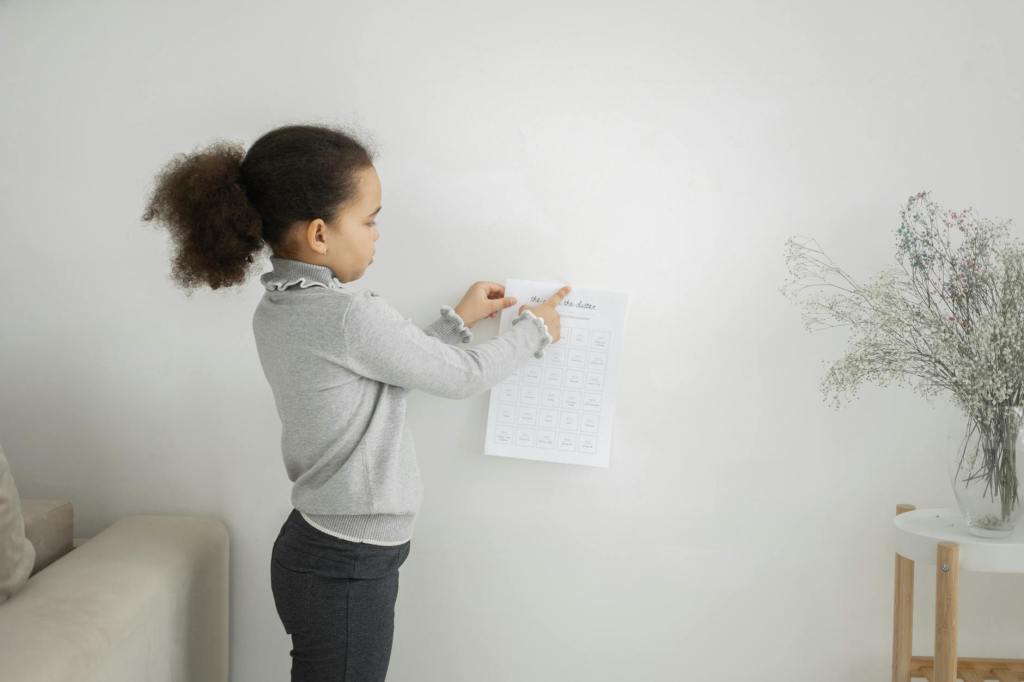
At Hand & Heart Kid’s Occupational Therapy, we often talk to families about how structure and routine can play a powerful role in supporting self-regulation. When a child knows what to expect, it helps their brain and body feel safe. And when they feel safe, they’re better able to manage emotions, transitions, and expectations, both at home and in the wider world.
Whether your child is neurodivergent or neurotypical, a predictable rhythm to the day can offer the anchor they need to thrive, especially during unstructured times like weekends, school breaks, or the summer months.
Why Structure and Predictability Matter
Children naturally crave consistency. Predictability helps reduce anxiety, increases emotional regulation, and gives children a sense of control over their environment. That doesn’t mean every moment of the day needs to be tightly scheduled, but having a general flow and clear expectations can make a big difference.
For example, routines around waking up, mealtimes, screen time, or bedtime provide natural bookends to a child’s day. Knowing what’s coming next can reduce meltdowns, support smoother transitions, and boost confidence.
Creating Supportive Structure at Home
In the summer months, days can become more open and unpredictable, which can be both exciting and overwhelming for some children. Here are a few ideas to help introduce routine without losing the fun of summer:
- Use visual schedules or picture charts: These can help young children or visual learners anticipate what’s coming next.
- Keep some daily anchors consistent: Even when bedtimes shift slightly or activities vary, keeping mealtimes, rest times, or morning routines steady can help maintain a sense of rhythm.
- Prepare for transitions: Give warnings before a change in activity, for example, “5 more minutes of play, then it’s time to tidy up for lunch.”
- Balance activity with downtime: Kids need both movement and rest. Structuring the day to include both helps support self-regulation.
Empowering Independence Through Responsibility
Giving children small responsibilities not only helps them feel competent and included, it also builds the foundation for self-regulation. Children who are empowered to help out learn to follow steps, manage frustration, and feel pride in their efforts.
Here are some ways to gently encourage this at home:
- Offer age-appropriate chores: Think setting the table, watering plants, gardening, feeding a pet, or tidying toys.
- Use “helper” language: Children often respond well to being asked to be a “big helper.”
- Celebrate effort, not perfection: The goal is to build skills and confidence, not perfect performance.
The Power of Choice and Autonomy
Another key to supporting self-regulation is giving children opportunities for choice. When kids feel some sense of control in their day, they’re more likely to engage, cooperate, and self-manage.
- Let them pick between two outfits, two snack options, or whether they brush teeth before or after getting dressed.
- Build in open-ended time during the day where the child can choose what they want to do.
- Involve them in decision-making around family plans or activities when possible.
Even small choices help children feel empowered and respected. This boosts their ability to regulate emotions and behaviour over time.
Every Family Is Unique
There’s no one-size-fits-all approach to structure and routine. What matters most is finding a rhythm that works for your family and helps your child feel secure and supported.
If you’re in London, Ontario, or elsewhere in Ontario/Canada, and you’re looking for support around building routines, managing transitions, or supporting your child’s self-regulation, Hand & Heart Kids Occupational Therapy is here to help. We offer both in-person and virtual services and are passionate about working collaboratively with families to build strong foundations for life.
Looking for ideas to promote independence through play? Check out our Instagram posts on play-based ways to use theraputty and multi-sensory activities to support hand writing for fun, hands-on ways to build strength and self-confidence at home.
 Hand and Heart Kid's Occupational Therapy - London
Comments
One response to “The Role of Routine and Structure in Supporting Self-Regulation”
[…] Related Post:The Role of Routine & Structure in Supporting Self-Regulation […]
LikeLike